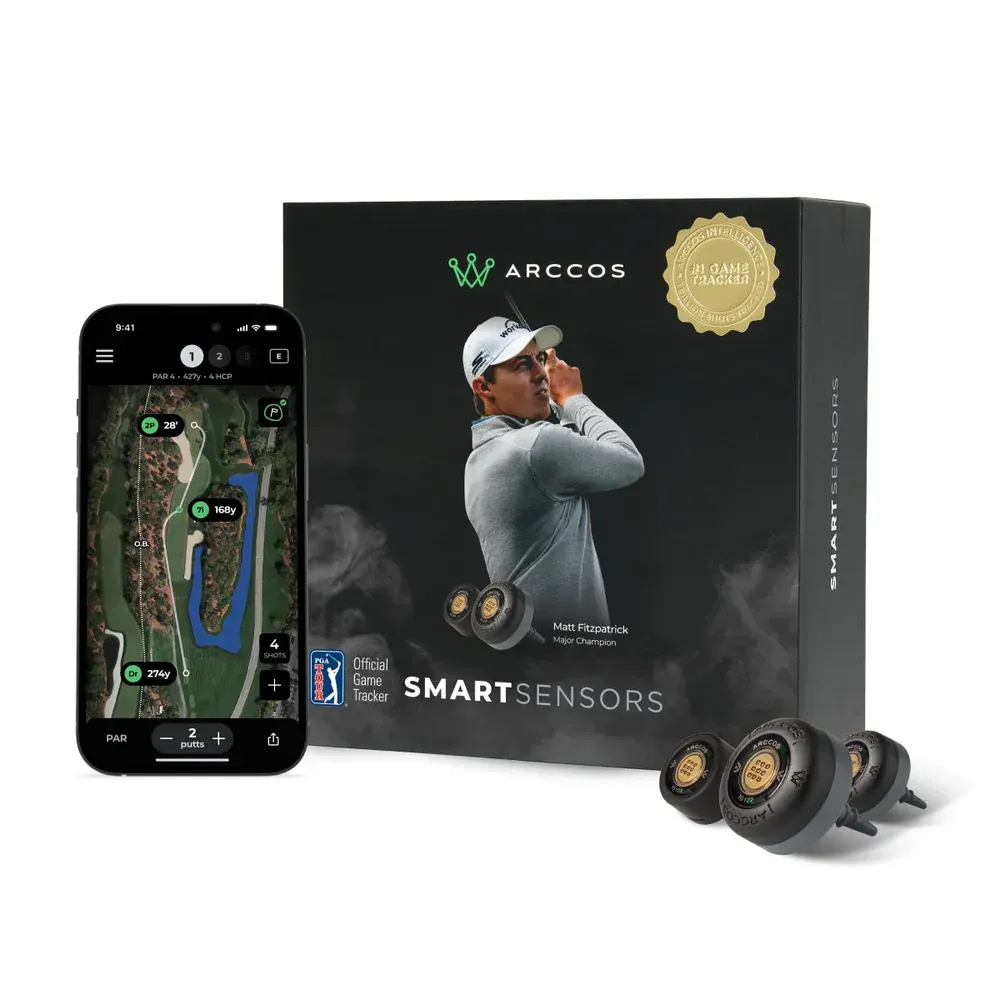
Let me start with a confession: Arccos Smart Sensors completely destroyed my golf ego.
I thought I knew my game. I mean, I'm a 21 handicap who's been grinding for years, tracking every round, obsessing over my handicap index. I figured I had a pretty good handle on my distances and where I was losing strokes.
I was spectacularly wrong.
After six months of having these little sensors screwed into every club in my bag, I've learned more uncomfortable truths about my game than I bargained for. And as a tech guy who loves data, I thought I was ready for whatever these things would tell me.
Spoiler alert: I wasn't.
Why I Almost Didn't Buy Them
Look, I know what you're thinking. "Jason, you shoot 100 on a good day. Do you really need NASA-level analytics for your slice?"
Fair point. But here's the thing – I'd been stuck in the low-90s to mid-100s range for months, despite lessons at GOLFTEC and more range sessions than my wife cares to count. I needed to know where I was actually bleeding strokes, not where I thought I was.
The price tag nearly scared me off. At $179 for the sensors plus $99/year for the subscription, we're talking serious money for a high handicapper who might lose six balls per round. That's more than I spend on golf balls in a month.
But the tech guy in me was curious. And curiosity, as my wife will tell you, is expensive.
Setup: Easier Than My Golf Swing
I'll give Arccos credit – setup was painless. Each sensor screws into the butt end of your clubs (they provide a replacement grip for your putter), and the whole process took about 20 minutes. Way easier than trying to fix my slice.
You've got three options for tracking your shots:
- Your phone – Free, but you need to keep it in your front pocket and it kills your battery
- Apple Watch – Better than phone, but still drains the watch
- Link Pro – $99 extra device that goes in your pocket and does all the work
I went with the Link Pro because I'm already juggling enough on the course without worrying about my phone dying on the 12th hole. Best decision I made.
For weekend golfers just getting into golf shot tracking for beginners, this system is about as user-friendly as it gets. No manual shot entry, no complicated setup between holes – just screw them in and play.
The Brutal Reality Check: Distance Edition
Here's where things got uncomfortable fast.
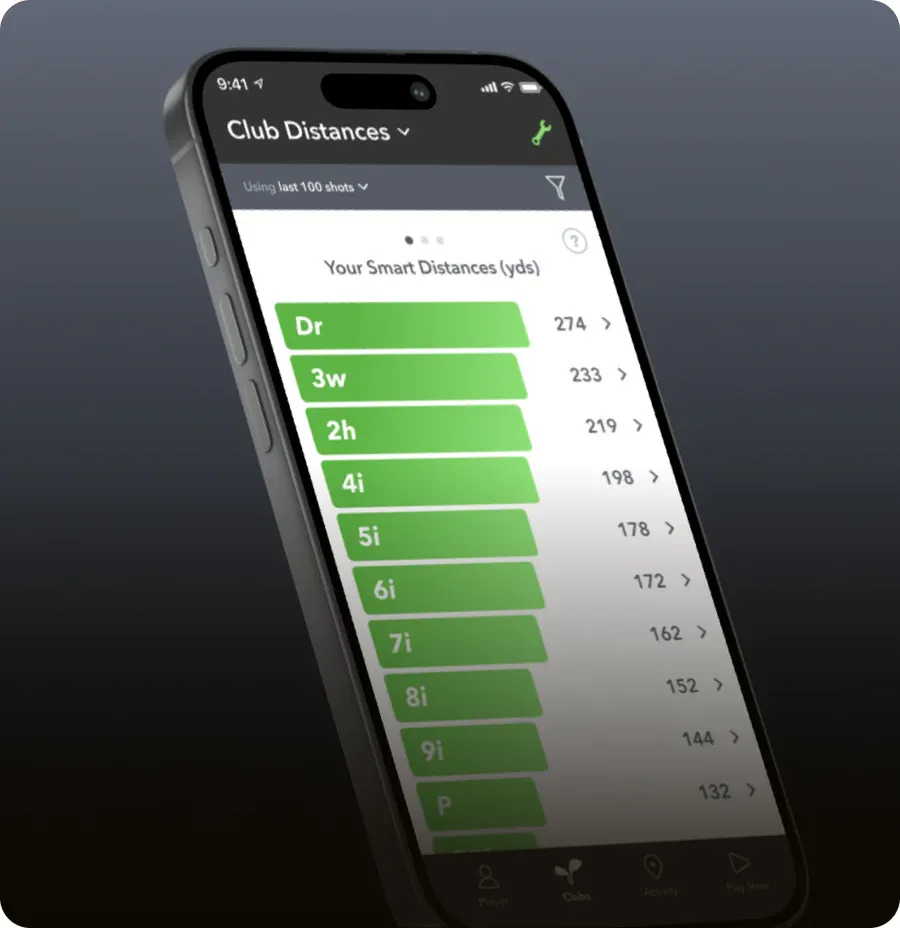
I thought I hit my 7-iron 150 yards. The data said otherwise. My average 7-iron goes 136 yards. And that includes the occasional flush shot that goes 145. Most of the time? I'm looking at 125-130 yards of actual carry distance.
My driver? I was convinced I averaged 200-225 yards. I was close: 218 yards total distance, and that's including roll. On a good day. Most of my drives are in the 190-200 range.
The first month was a series of humbling revelations. I thought I crushed my ball out of bounds with my 4 hyrbid, but after checking my arccos, I was looking 210 yards from my last hit when I usually only hit my 4 hybrid 178. Walking backwards, I found the ball in the rough near a bunker.
But here's what really stung – the data showed I was consistently coming up short on approach shots because I was using the wrong clubs. No wonder I was always in the front bunkers.
Strokes Gained Reality: Where I'm Actually Bleeding Shots
This is where Arccos earned its subscription fee.
I thought my biggest problem was driving. I mean, my slice is legendary at River Creek Club. But the strokes gained data told a different story entirely.
My biggest leak? Approach shots getting to the greens. I was losing an average of 4.2 strokes per round to the field just on shots 100-150 yards of the pin. My driving, while ugly, was only costing me about 0.3 strokes per round compared to other high handicappers.
Even more eye-opening: I was practicing from the wrong distances. I'd spend hours chipping from 10-15 yards, but the data showed my most common short game shots were actually from 25-50 yards. No wonder practice wasn't translating to lower scores.
The app breaks down strokes gained versus different handicap levels, so I could see exactly where I stood compared to other 20+ handicappers, 15-20 handicappers, and scratch golfers. Spoiler: There's a big gap between me and scratch golfers. Who knew?
The App: Data Paradise and Analysis Paralysis
As someone who gets excited about spreadsheets, the Arccos app is dangerous. I could spend hours diving through the post-round analysis, looking at shot patterns, distance trends, and performance by course conditions.
The good stuff:
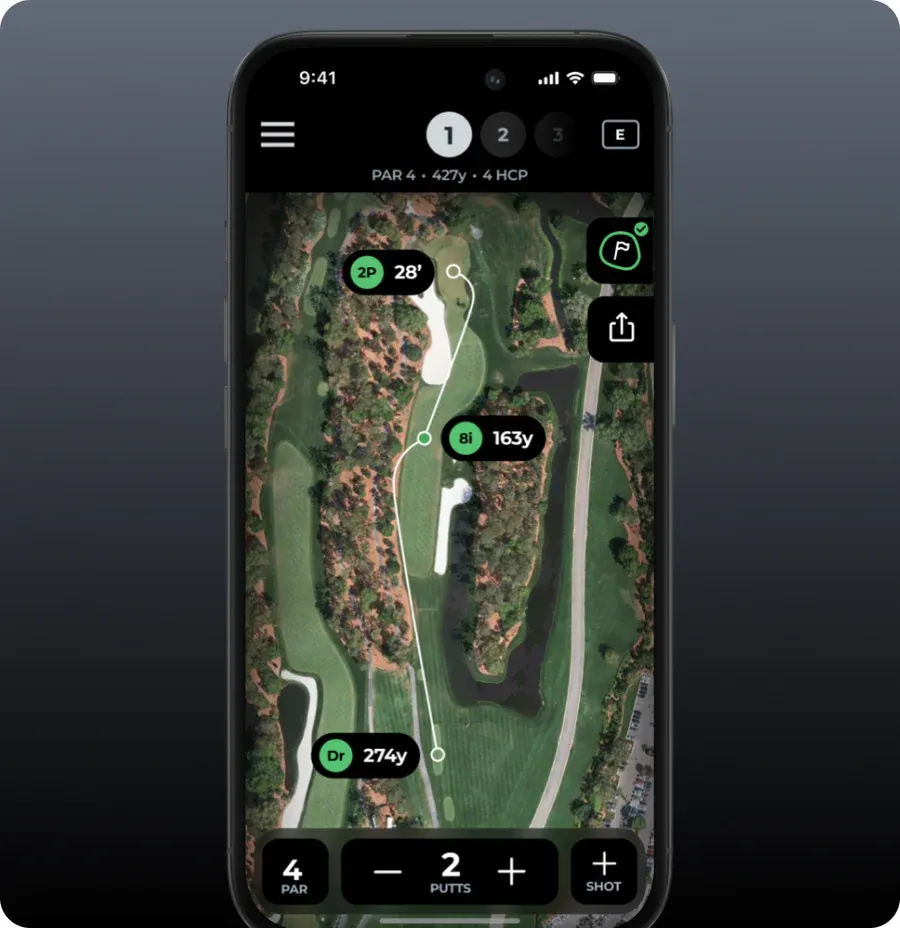
- Shot tracking map – Seeing exactly where every shot went, with GPS precision
- Distance tracking – Real carry distances for every club, updated constantly
- Strokes gained breakdown – Where you're gaining or losing shots in four key areas
- Smart suggestions – The app actually recommends which club to hit based on your personal data
The overwhelming part? There's almost too much data. I found myself getting lost in the numbers instead of focusing on fundamentals. It took a few months to figure out which metrics actually mattered for my game.
Pro tip for fellow weekend golfers: Focus on the strokes gained categories first. Everything else is interesting but not necessarily actionable for high handicappers.
Three Things Arccos Taught Me That No Lesson Ever Did
1. My "Good" Rounds Weren't What I Thought
I used to think a good round meant hitting more fairways or making more putts. But Arccos showed me my best scores came when I avoided big numbers around the greens. My putting and driving could be average, but if I kept my mid and short game mistakes under control, I'd break 90.
2. Course Management Actually Matters
The smart caddie feature suggests clubs based on your actual distances, not what the yardage marker says you should hit. Following these suggestions dropped my scores by 3-4 strokes almost immediately. Turns out taking one extra club and swinging easier is better than coming up short in bunkers.
3. Weather and Conditions Affect Me More Than I Realized
The data showed my distances drop significantly in cold weather and when playing into wind. We're talking 10-15 yards difference with irons. No wonder I was always short during those early spring rounds at River Creek.
Arccos Golf Sensors: High Handicap Review After 6 Months
Here's my honest take on whether these sensors are worth it for high handicappers like us.
The Subscription Sting: Is It Worth $99/Year?
Here's where I get conflicted.
I hate subscriptions. Hate them. But after six months, I paid for year two without hesitation.
Here's the math: If these sensors help me avoid just two lost balls per round by giving me better distance control, they've paid for themselves. And the short game insights alone have probably saved me 2-3 strokes per round.
For high handicappers, I think the value is there IF you actually use the data to change your strategy. If you're going to ignore the club suggestions and keep making the same mistakes, save your money.
Who Should Buy Arccos Smart Sensors
Perfect for:
- Data-driven golfers who want to know where they're actually losing strokes
- People who play at least 15 rounds a year.
- High handicappers serious about improvement (not just having fun)
- Weekend golfers who struggle with distance control and club selection
- Anyone who's plateaued and needs objective feedback
- Golfers ready to embrace golf shot tracking for beginners without the complexity
Skip if:
- You're happy with your current game and just play for fun
- You don't play 15 or more rounds per year.
- You already have great distance control and course management
- You don't want another subscription in your life
- You're not willing to change your strategy based on data
Frequently Asked Questions About Arccos for High Handicappers
Q: Do the sensors affect club feel or swing weight?
A: Honestly? I was worried about this, but each sensor weighs less than 10 grams. I can't feel any difference in my swing, and trust me, my swing has enough problems without adding weight issues.
Q: What happens if you lose a sensor?
A: They fall out occasionally (happened twice in six months), but Arccos replaces them for free if you're a subscriber. Just contact support with your club details.
Q: Is it worth it without the Link Pro device?
A: For weekend golfers, I'd say yes to the Link Pro. Using your phone works, but I hate having extra weight in my pockets. My phone stays in the cart playing tunes on the Blue Tees speaker.
Six Months Later: Would I Buy Them Again?
Absolutely.
My handicap has dropped from 23.1 to 20.9 in six months, and while I can't credit Arccos entirely, the insights have definitely accelerated my improvement. I'm making better decisions on the course, practicing more efficiently, and finally understanding where my game actually stands.
The ego bruising was worth it. Turns out knowing the truth about your game, even when it hurts, is better than living in delusion.
Plus, now when I tell my playing partners I hit my 7-iron 135 yards, they believe me. Because I have the data to prove it.
If you're a high handicapper serious about improvement and tired of guessing where your game really stands, these sensors will give you the uncomfortable truth you need to hear. Just be prepared to have your golf ego thoroughly destroyed in the process.
Ready to face the truth about your game? Get Arccos Smart Sensors here and start your own journey to data-driven improvement.
Let's get better together. Even if it means facing some uncomfortable truths along the way.
– Jason